Buying Acreage in Rural Victoria: A Practical Checklist for Lifestyle Property Buyers
A structured due-diligence guide for buyers purchasing acreage in rural Victoria, covering land usability, access, buildings, holding costs, and long-term lifestyle fit.
In this guide
- A practical guide to the places, trade-offs, and details that shape a South Gippsland property search.
- Includes notes on 1) confirm how much of the land is genuinely usable, 2) inspect water, drainage, and environmental resilience, and 3) evaluate the building ecosystem, not just the main house.
- A quick checklist is included under rural victoria acreage due-diligence checklist.
- Useful if you are comparing the wider region before returning to the active Mardan listing.
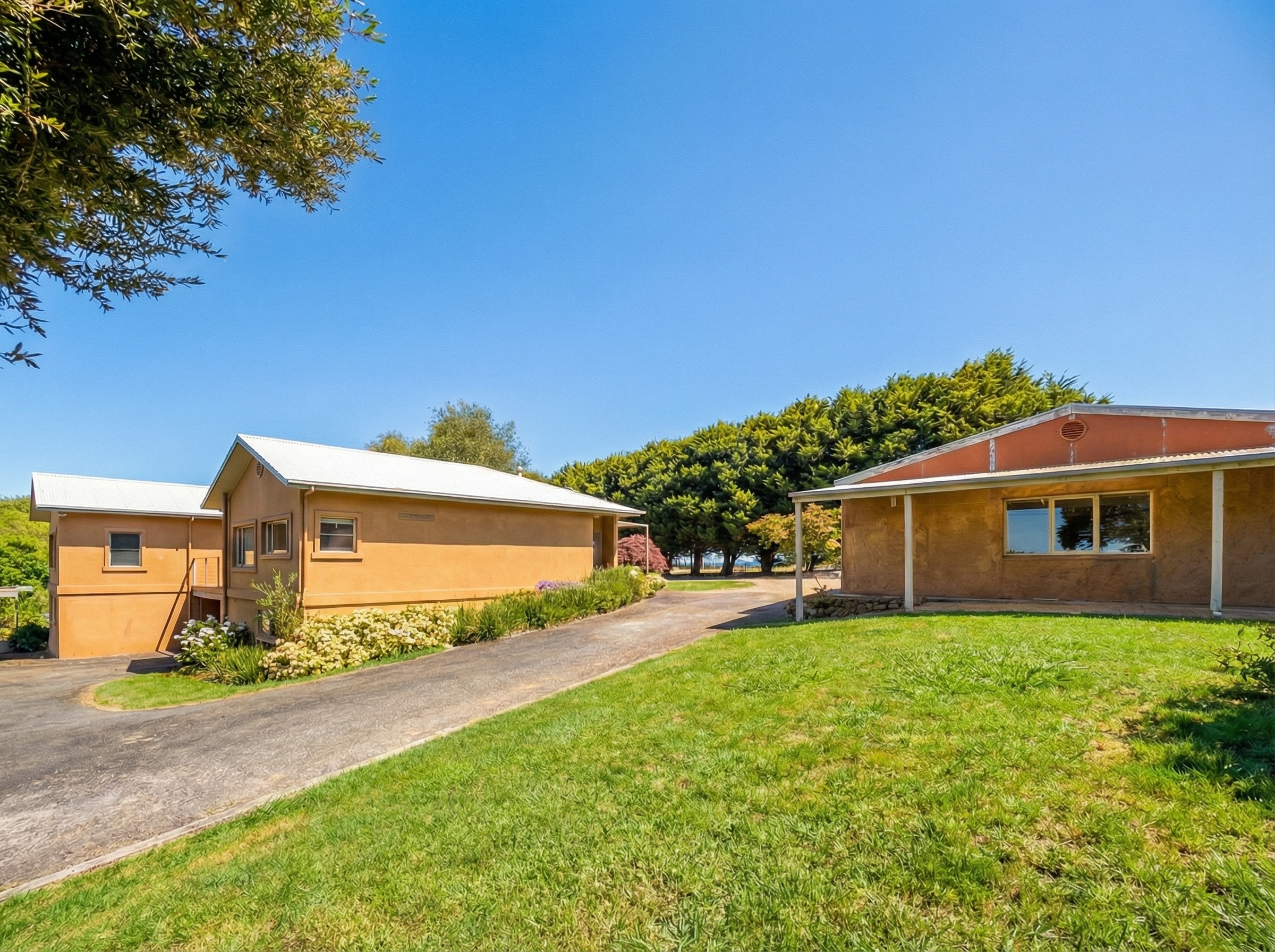
Acreage value in rural Victoria is strongly influenced by usability, infrastructure, and adaptability.
Buying acreage in rural Victoria requires a different process to suburban residential purchasing. Land scale, infrastructure quality, and maintenance profile materially affect both lifestyle satisfaction and long-term holding cost.
For lifestyle property buyers, the goal is to balance emotional fit with operational reality. This checklist focuses on the practical checks that reduce risk before contract stage.
1) Confirm how much of the land is genuinely usable
Headline acreage can be misleading if large portions are steep, waterlogged, or difficult to access. Walk the block and map zones by actual use: living, planting, recreation, storage, and future adaptation.
Check fencing integrity, gate placement, and internal circulation for routine tasks and contractor access.
A block with lower nominal acreage but higher usability can outperform larger alternatives over time.
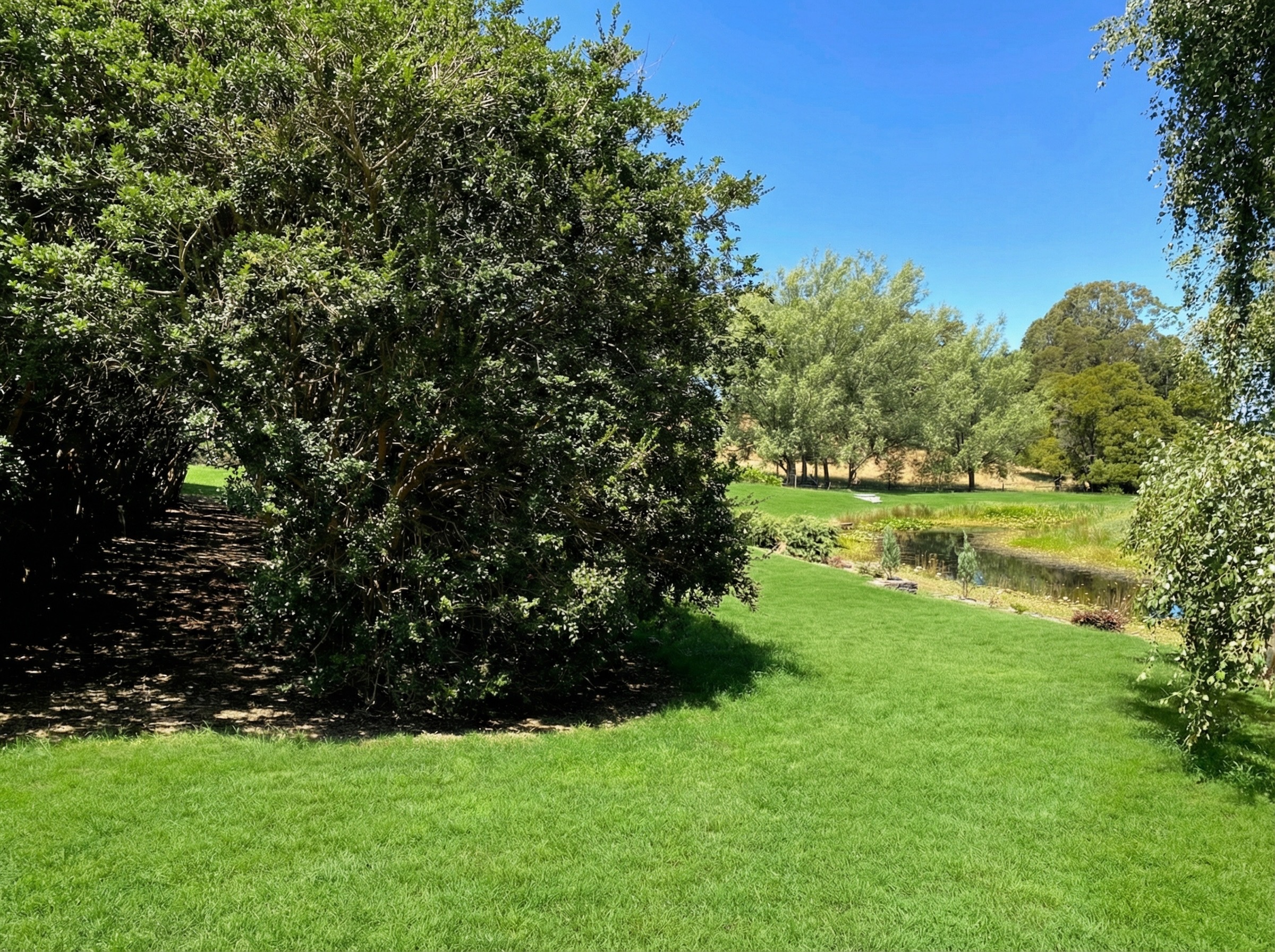
2) Inspect water, drainage, and environmental resilience
Water infrastructure, drainage behaviour, and exposure patterns are core risk factors in rural Victoria acreage ownership.
Ask specific questions about seasonal performance, past storm impacts, and any recurring low-point issues on access tracks or near buildings.
Understanding resilience early protects both budget and lifestyle confidence after settlement.
3) Evaluate the building ecosystem, not just the main house
Lifestyle properties often derive major value from ancillary infrastructure: studio space, garaging, workshop zones, and adaptable utility areas.
For lifestyle property buyers, these spaces can determine whether the property supports multigenerational visits, hobbies, storage, and flexible work patterns.
Assess build quality, services, and compliance context so ancillary assets are treated as functional value, not just visual extras.
4) Model annual holding cost before final offer
Rural acreage ownership has a different cost pattern to urban homes, with larger maintenance surfaces and broader service requirements.
Build a realistic annual plan that includes grounds maintenance, infrastructure servicing, insurance profile, and staged upgrade contingencies.
A clear holding-cost model helps you negotiate confidently and avoids post-settlement friction.
5) Stress-test lifestyle fit with repeat visits
Before exchange, test weekday and weekend routines from the property: school or health access, shopping runs, and service travel.
Repeat visits at different times make your decision evidence-based and reduce relocation risk.
This is especially important for buyers moving from metropolitan areas into regional acreage ownership for the first time.
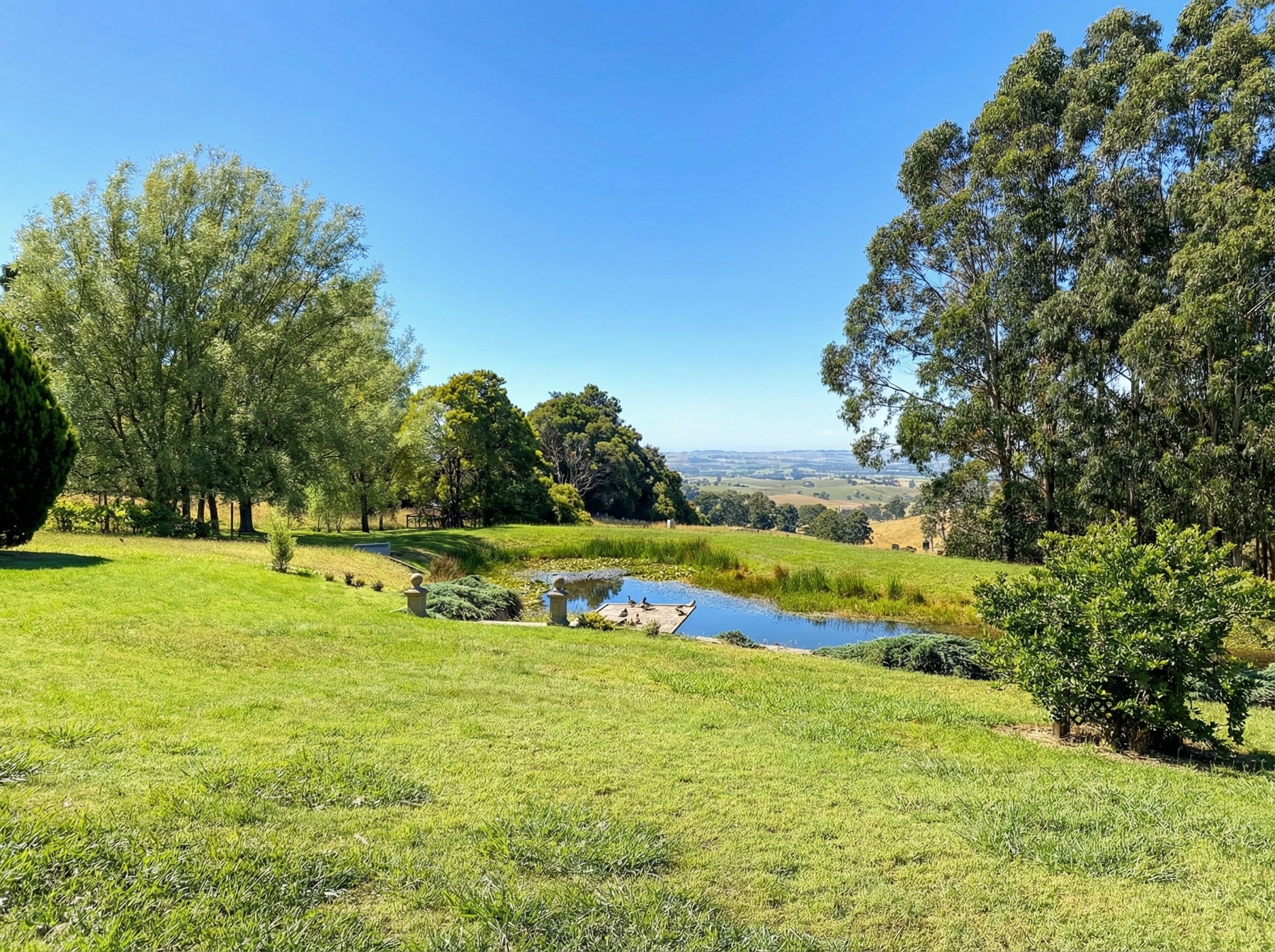
Compare with an active South Gippsland listing
Use this research alongside a live Mardan lifestyle property for sale to compare land usability, location access, and inspection readiness.
Rural Victoria acreage due-diligence checklist
- Map actual usable land zones before valuation comparison
- Verify drainage, water systems, and seasonal access reliability
- Assess ancillary buildings for real functional value
- Model annual ownership and maintenance costs
- Run repeat routine-based inspections before signing
- Prioritise properties with adaptable long-term layouts
Acreage planning image references
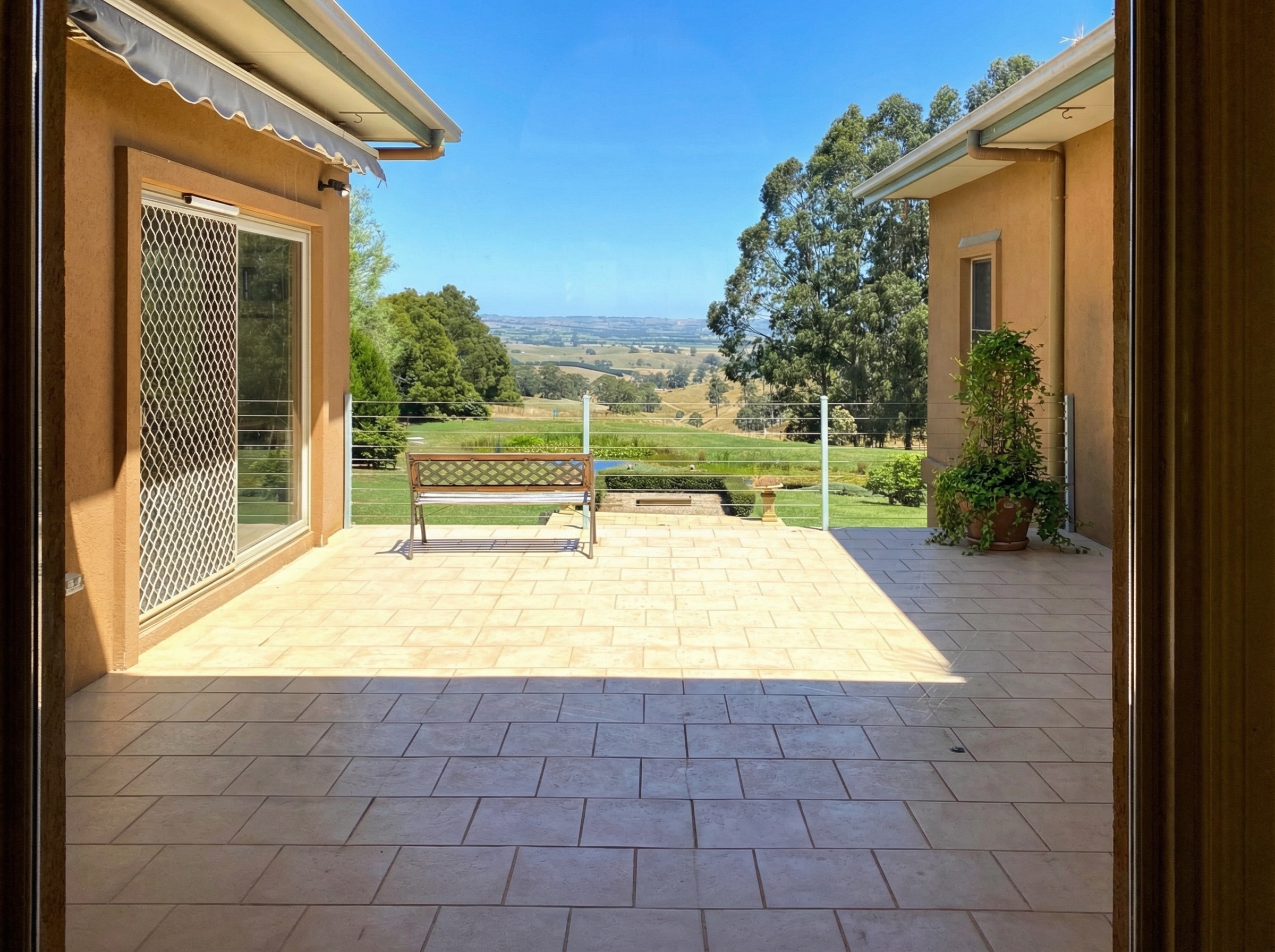
Apply this checklist to a live listing
Use this framework against Springbank to evaluate land usability, building flexibility, and ownership practicality in a real South Gippsland acreage context.